What We Do

Services

Everything we pour, finish, and repair, from a small walkway to a full driveway.

HomeServices

Everything we take on

Every job below is one we do ourselves across Daytona Beach.

Concrete Driveways

A driveway lives or dies on what's under it. We compact a stone base before we ever pour, so the slab doesn't settle and crack after the first hard rain. We set control joints every 8 to 10 feet and give it about a week before you park a car on it.

Concrete Patios

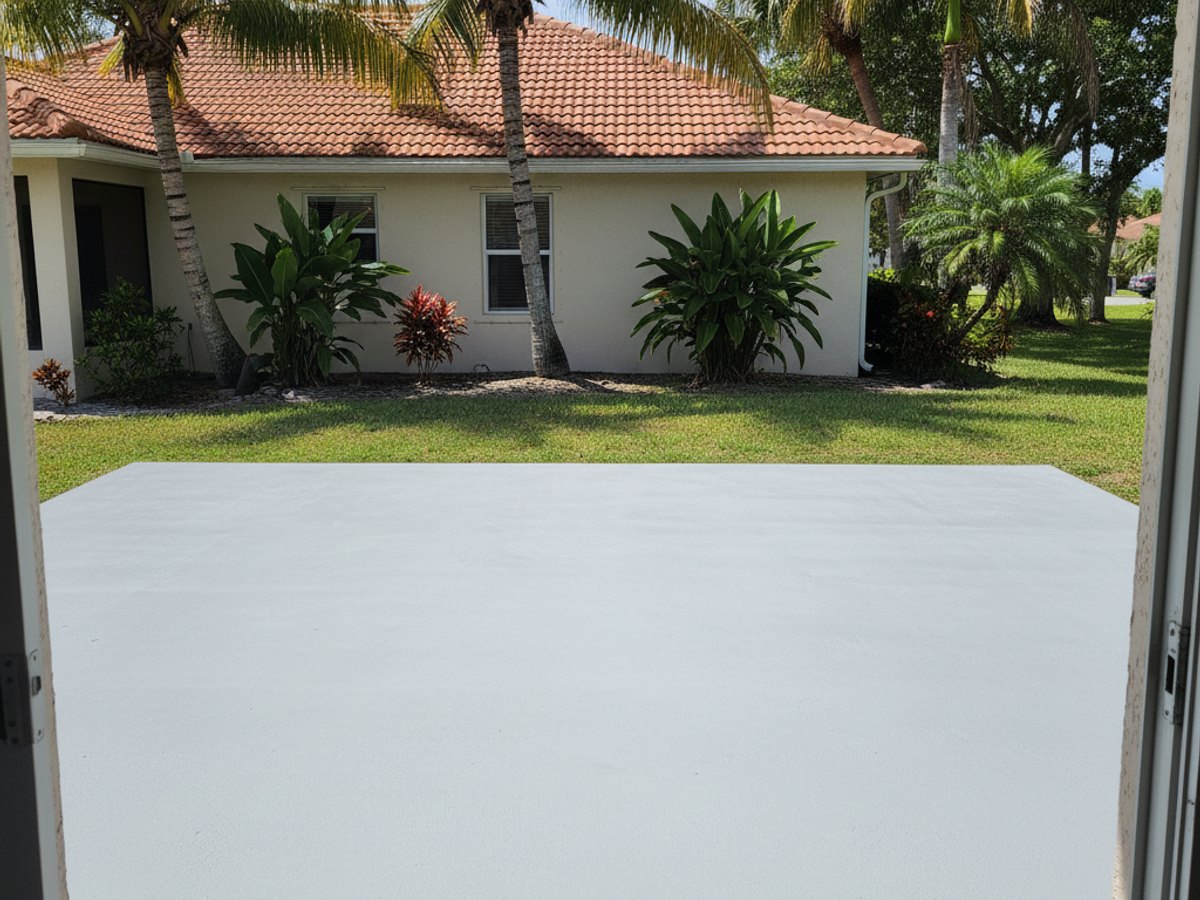
Most patio cracks start at the edges where the forms weren't tight or the base wasn't compacted. We pour a 4-inch slab with a broom or exposed finish, your call, and cut joints the same day so the concrete cracks where we tell it to instead of wherever it wants.

Stamped Concrete

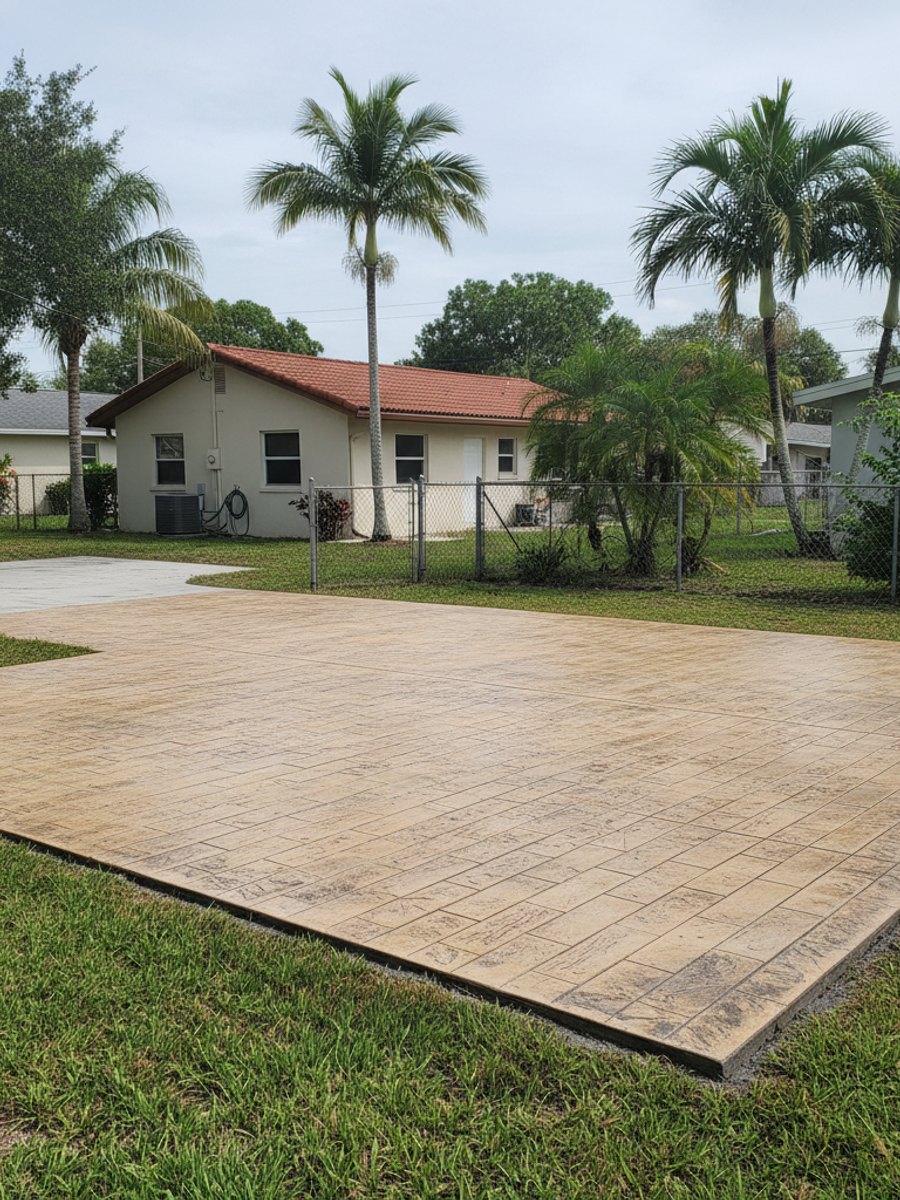
Stamped concrete gets you the look of pavers or slate without weeds coming up between joints. Timing the stamp to the set of the concrete is the whole job, too early and it slumps, too late and the texture won't take. We seal it after cure to hold the color.

Concrete Slab Foundations

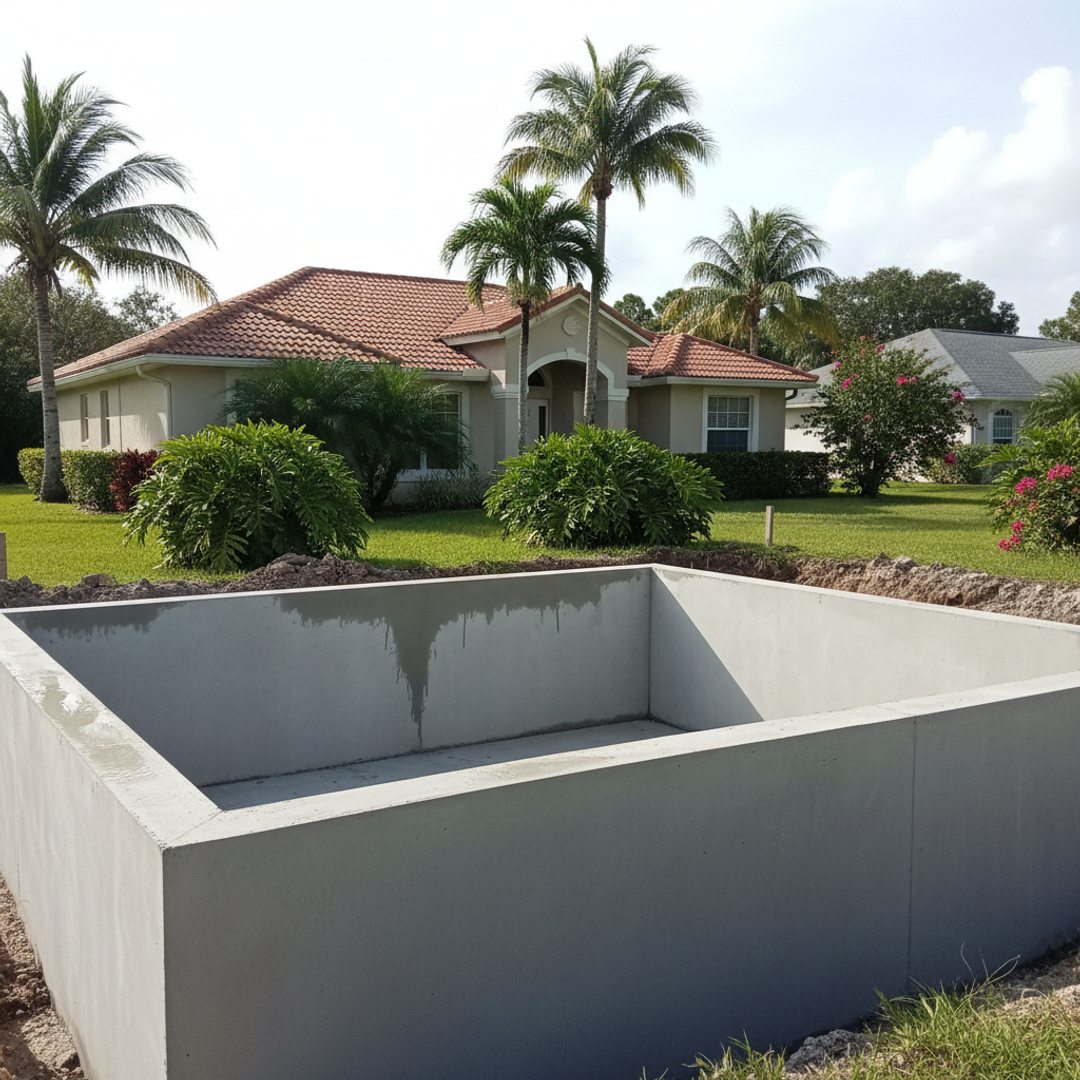
A shed, garage, or workshop slab has to have the right thickness and reinforcement for what's going on top of it. We grade the site, set forms level, add rebar or wire mesh depending on the load, and pour to spec so it carries the weight for decades.

Concrete Repair

Spalling, pop-outs, and hairline cracks usually mean water got into the slab before it fully cured or salt ate at the surface. We grind out the damage, patch with a bonding agent so the repair doesn't just pop back out, and resurface if the whole slab looks tired.

Concrete Sidewalks & Walkways

Sidewalks take root pressure and years of foot traffic, and Daytona's sandy soil doesn't always hold a base evenly. We keep walkways at code width and slope, and saw-cut expansion joints against the house so the walk moves without stressing the foundation.

Concrete Pool Decks

Pool decks need a broom or knockdown finish so nobody's slipping barefoot in July. We slope every deck away from the pool coping so water drains where it should, not back into the pool or under the house.

Concrete Resurfacing

If your driveway or patio is structurally fine but looks beat up, worn, chalky, faded from the sun, resurfacing skips a full tear-out. We clean and etch the old slab, then lay a bonded overlay for a fresh finish at a fraction of a new pour.

Exposed Aggregate Concrete

Exposed aggregate shows the stone in the mix instead of hiding it under a smooth or broomed top. We wash the surface at the right window after the pour, not too soon or the stones pull loose, not too late or they won't show at all.

Concrete Demolition & Removal

Old, cracked, or heaved concrete has to come out before anything new goes in right. We break it up, haul it off, and check what's underneath, since a bad base is usually why the old slab failed in the first place.

How It Works

Four steps, and no surprises in any of them.

01

We come and look

You tell us what you want doing, we look at what is actually there, and we ask the awkward questions early.

02

You get a price

In writing, itemised, free. If something might add cost later we flag it now rather than at the end.

03

We do the work

Same crew throughout. We cover your floors, keep the dust down and tidy up before we leave each day.

04

We walk it with you

You point out anything you are not happy with and we fix it before the invoice, not after.

Where We Work

All of this, across Daytona Beach, FL

This is the part of Florida we know the soil and weather for.

Daytona Beach, FL
Deltona, FL
Palm Coast, FL
Port Orange, FL
Ormond Beach, FL
DeLand, FL
New Smyrna Beach, FL
Edgewater, FL
South Daytona, FL
DeBary, FL
Holly Hill, FL
Orange City, FL
Common Questions

Things worth asking

Questions that come up once a project is actually underway.

Do I need a permit for a new driveway or patio?
Most cities and counties in Florida require a permit for new concrete driveways, patios, or slabs, especially if it changes drainage or sits near a property line. A concrete contractor familiar with the local building department usually pulls the permit as part of the job.
How long does a typical concrete pour take to finish?
The actual pour and finish for a driveway or patio usually takes one day, but the concrete needs about 5 to 7 days before it can handle vehicle weight and closer to 28 days to fully cure. Stamped or decorative finishes can add time for texturing and sealing.
Can concrete work be done within a specific budget?
Concrete costs can be adjusted by changing the finish, reducing decorative elements, or scaling back the square footage, and a contractor should be upfront about which of those moves the price. Cutting corners on base prep or reinforcement to save money usually costs more later in cracking and repairs.
Do you guarantee your concrete work?
A written guarantee on workmanship is standard for concrete contractors, though it typically doesn't cover cracking caused by ground movement, tree roots, or misuse after the job is done. Ask what's covered and for how long before signing the contract.
Will I be dealing with a project manager or the crew directly?
On most residential concrete jobs, homeowners deal directly with the crew lead or owner rather than a separate project manager. That's usually faster for answering questions about the pour, the finish, or timeline changes.
What kind of concrete mix and reinforcement do you use?
Standard residential slabs typically use a 3,000 to 4,000 PSI concrete mix, with rebar or wire mesh reinforcement depending on the load the slab will carry. Driveways that see vehicle weight generally need a stronger mix and thicker slab than a patio or walkway.
Can I stay home during the concrete work?
Homeowners can usually stay home during concrete work, though the work area needs to stay clear of foot and vehicle traffic until the concrete has cured enough to bear weight. Pets and kids should be kept away from fresh concrete and exposed rebar for safety.
How should I prepare my property before the crew arrives?
Clearing the work area of vehicles, furniture, and landscaping items ahead of time speeds up setup for a concrete pour. Marking the location of sprinkler lines or buried utilities also helps avoid damage during excavation.
What if something unexpected turns up once digging or demo starts?
Old buried debris, tree roots, or a poor existing base sometimes turn up once demolition or excavation begins on a concrete job. A reputable contractor will point out the issue, explain how it affects the timeline or cost, and get approval before proceeding.
How do I take care of new concrete after it's poured?
New concrete should be kept free of heavy weight or vehicle traffic for the first week and sealed periodically to protect against staining and moisture damage. Avoiding de-icing salts and harsh chemical cleaners also helps prevent surface pitting over time.

Not sure what you need?

Describe the problem and we will tell you what it probably is. No obligation.

Call (386) 588-8926